

Philomi
Sections
LanguageEnglish

Choose an interface language.

Sign inRequest a strategic demo

Learning intelligence for schools and school groups

Know what every learner has genuinely learned — and what should come next.

Philomi keeps a persistent Learning Twin for each learner: mastery backed by validated evidence, the prerequisite gaps that hold them back, and a clear next step — for the learner, their teacher, their family and their school.

Not an LMS. Not an AI tutor. A learning intelligence layer that works alongside the systems you already run.

Learning Twin · MathematicsAlex, 13
  1. Place valueSecure
  2. Fractions as parts of a wholeDeveloping
  3. Equivalent fractionsNot assessed yet
  4. Adding fractionsWaiting on a prerequisite
Next: Equivalent fractionsAdding fractions needs it first, and there is no evidence for it yet.

Validated evidence: 3

Learning Twin · Illustrative example with synthetic data

The problem

Schools record activity. Few can say what a learner actually knows.

Grades, completions and log-ins are scattered across systems and reset every term. None of them says what a learner has genuinely demonstrated, what is still unknown, or what should happen next.

Completion is not mastery

Finishing a lesson says it was finished. Philomi records what was shown, and how.

A score is not understanding

One test is one moment. Mastery needs evidence across time and contexts.

Unknown is not weak

When nobody has looked yet, Philomi says so. It never guesses a learner down.

Persistent Learning Twin

One learner. One evolving understanding — across subjects, contexts and years.

Every observation, piece of project work and assessment attaches to the concepts it shows. The Twin keeps them, so next year's teacher starts from what is known, not from zero.

What the Twin keeps

  • Concept states, each backed by the evidence behind it
  • The prerequisites each concept depends on
  • What has not been looked at yet — stated, never hidden
  • Where the evidence came from: projects, writing, explanations and real-world observation
  • How the learner works best, from accessibility needs to language

Evidence before mastery

Mastery moves only on validated evidence.

Work produces evidence candidates. A teacher — or a deterministic check where the answer is unambiguous — validates them. Only validated evidence can change a mastery state, and every state shows the evidence behind it.

Rules Philomi keeps

  • AI output is never evidence.
  • A candidate is not validated evidence.
  • A simulation is not real-world validation.
  • Curriculum coverage is not mastery.
  1. Evidence candidateFrom a project, an answer, an explanation or an observation.
  2. ValidationReviewed by a person, or checked deterministically.
  3. Mastery stateMoves only when validated evidence supports it.

What comes next

The next step — with its reason.

Philomi connects curriculum, concepts and prerequisites to what each learner has shown. When a prerequisite is missing, the path changes, and the learner, teacher and family can all see why.

  1. Curriculum
  2. Concepts
  3. Prerequisites
  4. Evidence
  5. Mastery
  6. Gaps
  7. Next path
Place valueSecure
Fractions as parts of a wholeDeveloping
Equivalent fractionsRecommended next
Adding fractionsWaiting on a prerequisite

One intelligence, four people

Each person sees what they need to act on — nothing more.

Learners

One clear next step and why it is there, what is due for review, and the project in progress — with a calm companion beside the work.

Let’s start with equivalent fractions.

Up nextEquivalent fractionsWhy this is here: adding fractions needs it first.Start
Learners · Illustrative example with synthetic data

Teachers

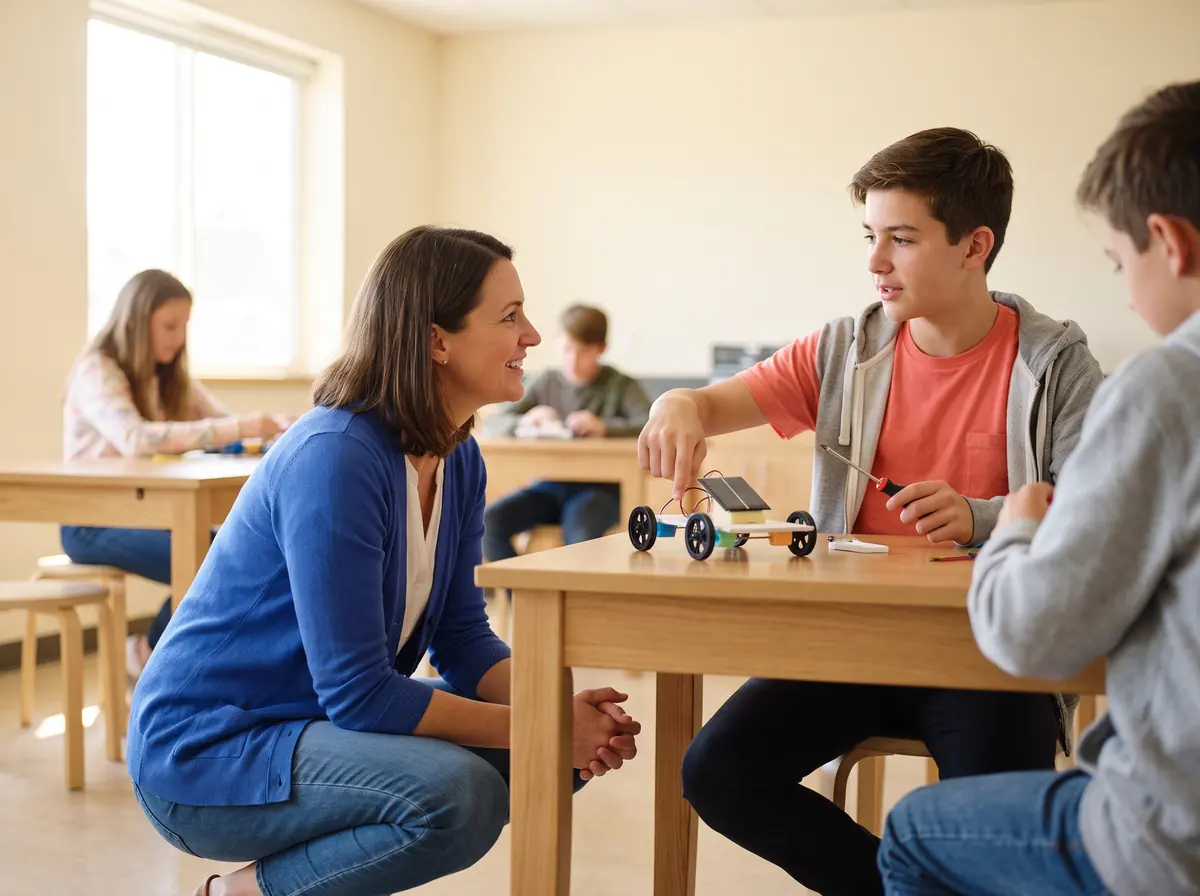
Who needs support and why, which prerequisite is involved, and what evidence is waiting for review. AI suggests; the teacher decides.

Waiting for you
  • 3 learners need support
  • 5 evidence items to review
  • Shared prerequisite gap: equivalent fractions
Suggested: a 20-minute small-group sessionDraft — you decide
Teachers · Illustrative example with synthetic data

Families

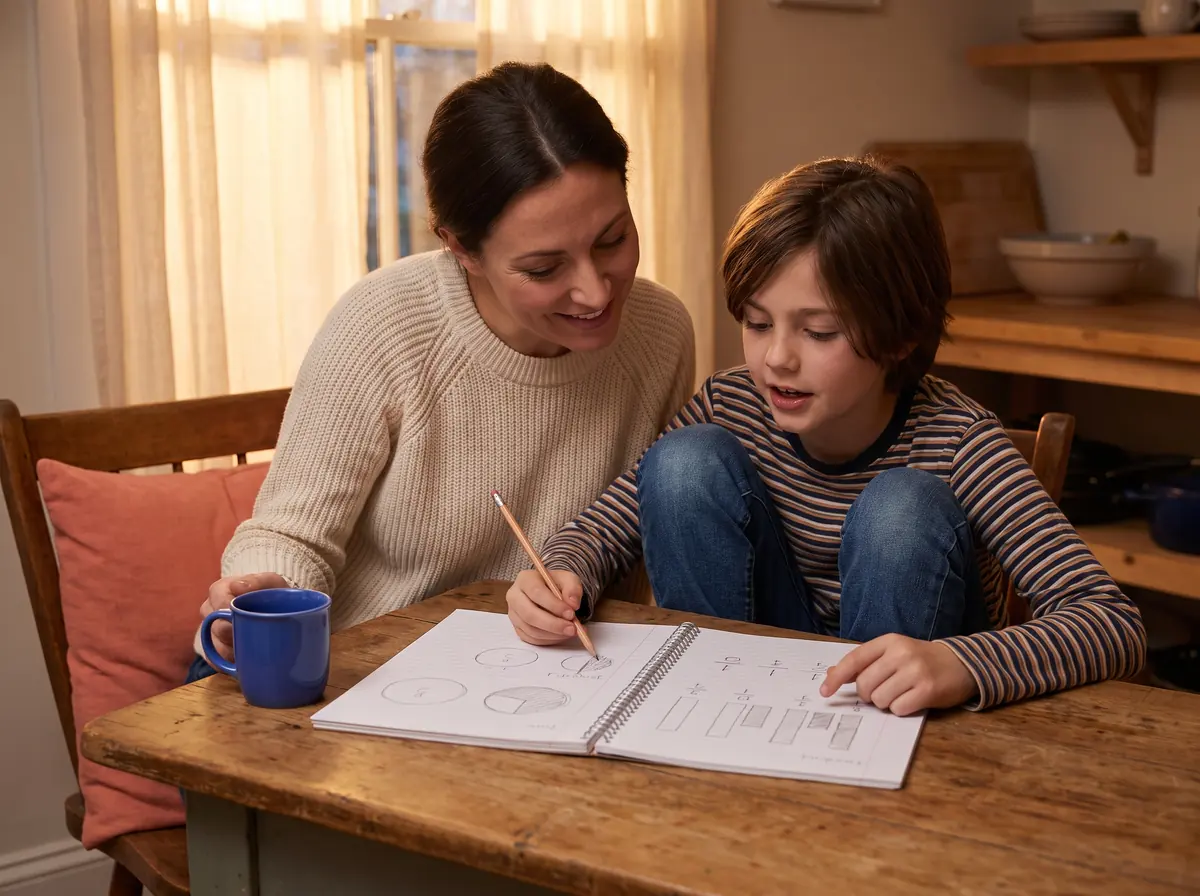
What has genuinely improved, what needs support, and one practical thing to do at home this week — in plain language.

This week
  • Improved: fractions as parts of a whole
  • Needs support: equivalent fractions
  • Try at home: fold paper into halves, quarters and eighths together.
Families · Illustrative example with synthetic data

School leaders

Where prerequisite gaps recur, where evidence is thin and which interventions are active — aggregated and governed.

Recurring prerequisite gapEquivalent fractions · Year 8 · 3 classes
Evidence too thin to judgeScience practical work · 2 classes
Interventions active: 4
School leaders · Illustrative example with synthetic data

The Philomi Companion

One familiar companion. Many specialised intelligences behind it.

Learners meet one consistent guide, never a menu of bots. Its presence changes as they grow — warm and visible for the youngest, quiet and minimal for teenagers — and it can always be reduced or turned off.

  1. Ages 4–7

    Full Companion

    Voice-first and visual, beside every step.

  2. Ages 8–11

    Side Companion

    Beside the work, asking more than telling.

  3. Ages 12–14

    Minimal Mentor

    A quiet mentor next to projects and research.

  4. Ages 15–18

    Intelligent Mentor

    A calm copilot for research, argument and career thinking.

A learning guide, not an artificial friend

  • It never says it missed you or needs you to come back.
  • No streaks, points, badges or rewards for using the app.
  • No facial recognition, emotion detection or attention scoring.
  • Learners, families and schools decide how present it is.

Real-world learning

Learning that happens in the work — and counts as evidence.

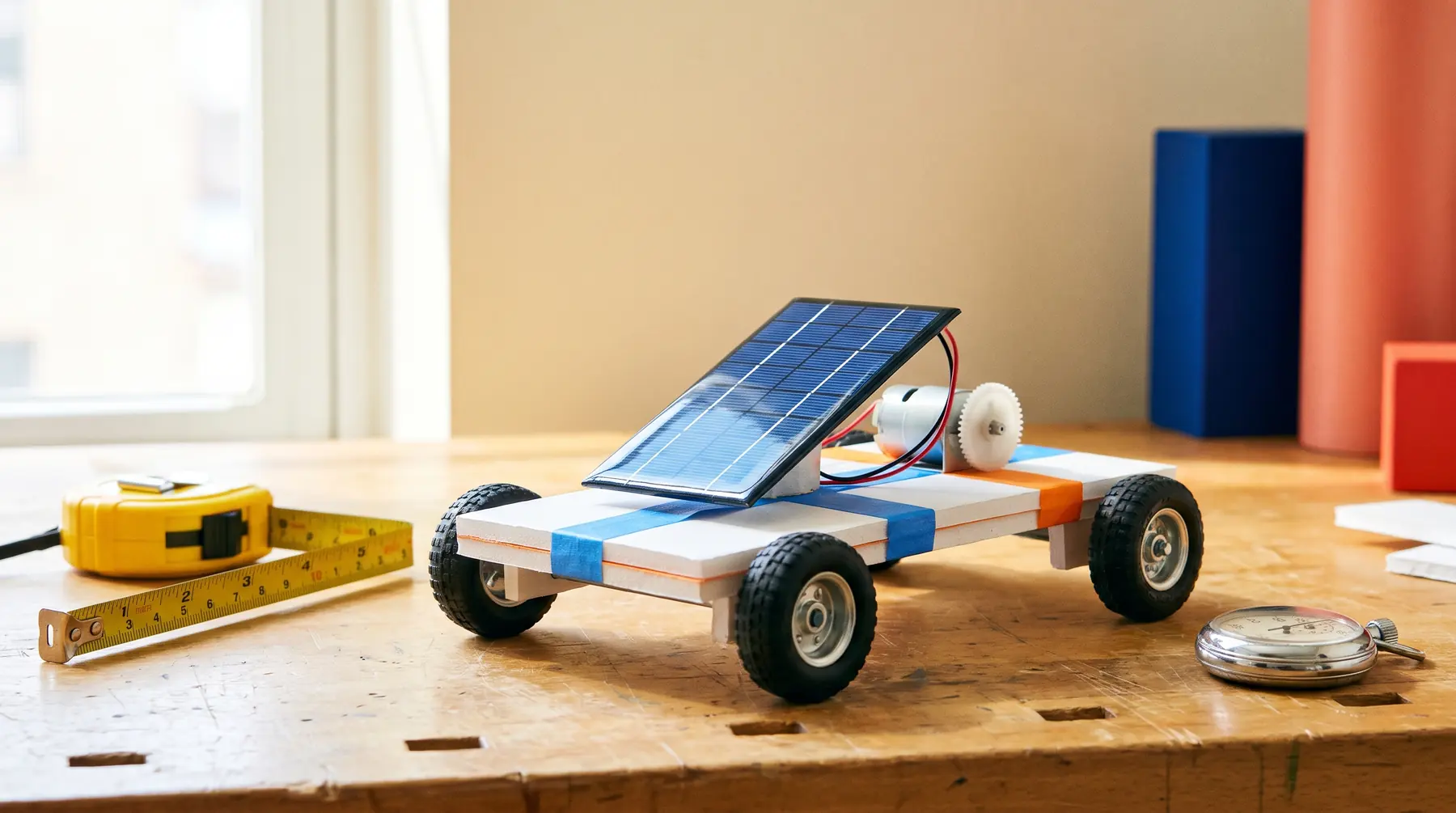
A solar car built in ProjectLab becomes evidence about energy, measurement and fair testing once a teacher has reviewed it. The same path runs through research, coding, debate, simulations and Life2Learn observations.

  1. Real work
  2. Evidence candidate
  3. Teacher review
  4. Learner state
  • Projects
  • Research
  • Coding
  • Debate
  • WorldSim
  • Life2Learn

Schools and multi-campus groups

Governed intelligence for the whole school — and the whole group.

For a school

See where prerequisite gaps recur across classes, where evidence is too thin to judge, which interventions are active, and how curriculum coverage compares with demonstrated mastery.

For a school group

Compare campuses with their context attached — curriculum, cohort, evidence quality and data completeness. Small groups are suppressed, and there is never a league table.

Comparable with caveats: different curricula and cohort mixes. Read each campus in its own context.

NorthgateLearners in scope: 142Evidence quality: adequateRecurring gap: equivalent fractions
RiversideLearners in scope: 88Evidence quality: adequateRecurring gap: equivalent fractions
HillviewLearners in scope: 61Evidence quality: material gapsRecurring gap: equivalent fractions

Groups smaller than five are suppressed. Campuses are listed, never ranked.

For a school group · Illustrative example with synthetic data

No school, class or child is ranked.

Deployment and partners

Designed to sit alongside the systems you already run.

Philomi adds the learning intelligence layer; it does not replace your LMS or SIS. Implementation partners can provide cloud hosting, identity integration, security, data residency and managed services around it.

Partner with Philomi
  • Built to coexist with existing LMS and SIS platforms
  • Google sign-in today; organisational identity through partners
  • 46 interface languages, with right-to-left built in
  • Multi-tenant and white-label architecture
  • Dedicated deployment and data residency agreed per partner

Trust

Privacy, safety and human judgement are architecture — not settings.

People decide

AI drafts and suggests. Teachers, families and school leaders make the decisions.

Only what learning needs

Data is minimised by design, and every access is governed and audited.

No surveillance

No facial recognition, emotion detection, gaze tracking or behavioural scoring.

Child-safe by design

AI responses pass safety, age and policy checks, with escalation to a person.

Start with evidence

See it with your curriculum. Prove it in a controlled pilot.

  1. Strategic demo

    A focused walkthrough of a learner's Learning Twin, the teacher and family views, and school intelligence.

  2. Controlled pilot

    One year group and subject, for a defined term, with success measures agreed in advance.

  3. Leadership review

    Review the evidence with your leadership team and decide what comes next.

Already have access? Sign in